
Providers
Scott Grewe, Ph.d., ABPP/CN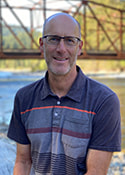
Dr. Grewe received a B.A. in Psychology from Winona State University in 1988 and an M.A. in School Psychology from Ball State University in 1989. He received a Ph.D. in School Psychology, with specialization in Neuropsychology and Counseling Psychology, from Ball State University in 1993. He completed a Predoctoral Internship in Pediatric Psychology at the duPont Children’s Hospital and then a two-year Postdoctoral Fellowship in Pediatric Neuropsychology at Children’s Hospital and The Ohio State University, during which time he became licensed as a Psychologist in Ohio. He was then a Pediatric Neuropsychologist and Director of the A.P.A. approved Predoctoral Internship at Children’s Hospital until moving to the Tri-Cities in October 1998.
|
Joan Sprute, M.Ed.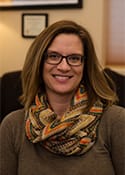
Joan received her B.A. in Psychology from Eastern Washington University in 1991, and began her career promoting independent living for individuals with disabilities. After taking time off to raise her family, Joan earned her M.Ed. in Counseling Psychology from Washington State University in 2009. Her post-graduate experience has included individual counseling for transitioning college students and adolescents, behavior management training for families and children, and counseling and social skills building for young adults with ASD. Joan recently completed work as a therapist for Seattle Children’s Hospital, where she provided behavior management training for families involved in the Children’s ADHD Telemental Treatment Study (CATTS). Joan is also a co-developer and co-facilitator of a Career Readiness Class for adults with High Functioning Autism at The Responding to Autism Center in Kennewick.
|
Brooke Nickolaus, M.S. |
Kimberly Powelson, MSW |
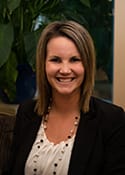
Brooke received both her B.S. in Psychology (2010), and M.S. in Clinical Psychology (2013) from Eastern Washington University. She completed her internship at Partners with Families and Children in Spokane where she provided individual, family, and group therapy for children and adults who experienced abuse, neglect, and other forms of trauma. Her post graduate experience includes work with children and families, as well as specialized training in Applied Behavior Analysis (ABA) therapy. She recently completed her work at The Child Enrichment Center where she facilitated social skills training groups and provided intensive behavioral intervention to young children with Autism Spectrum Disorder.
|
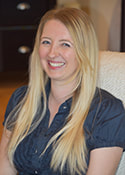
Kimberly received her B.S. in Marriage, Family and Human Development in 2003 from Brigham Young University, and her Masters in Social Work from Eastern Washington University in 2007. She completed an internship at Children’s Home Society of WA, where she provided individual and family therapy, and facilitated supportive parenting groups. Her post-graduate work has been centered mainly in clinical therapeutic work with children and youth ages 4-18. While individual therapy often remains focused on individual needs, Kimberly’s background in family studies and social work helps her keep a broad perspective needed to address contextual factors in creating a supportive environment for change. As such, she puts strong emphasis on parental involvement in the therapeutic process.
|
Craig Boyle, MSW
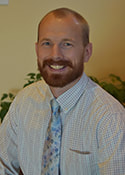
Craig received his B.S. degree in Social Work from Brigham Young University in 2008 and his Masters of Social Work from Eastern Washington University in 2011. He finished an internship at LDS family services in Spokane Valley, WA. He worked with adolescents, couples, and families providing mental health services. Craig later worked for The Journey Counseling Center as a mental health therapist provider drug rehab and mental health treatment to JJS and DFCS adolescents. He also worked with the parents and families to help in the healing process. While at The Journey he worked in outpatient, day treatment, and residential programs. He became the clinical director of the outpatient and proctor programs.
Trisha Chase, PhD
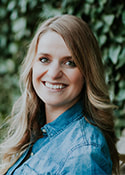
Dr. Chase received a B.S. in Psychology from Brigham Young University. She received a Ph.D. in combined Clinical, Counseling, and School Psychology from Utah State University. During her internship at University Neuropsychiatric Institute (UNI) in Salt Lake City, Utah, she conducted individual and family therapy with children and adolescents on the inpatient units as well as in a day treatment program.
|
Office Staff
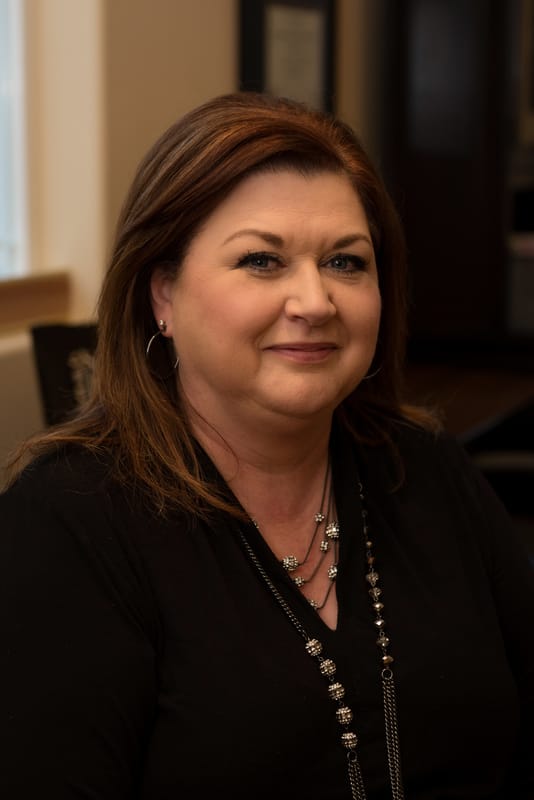
Angie Scott-Ziemba |
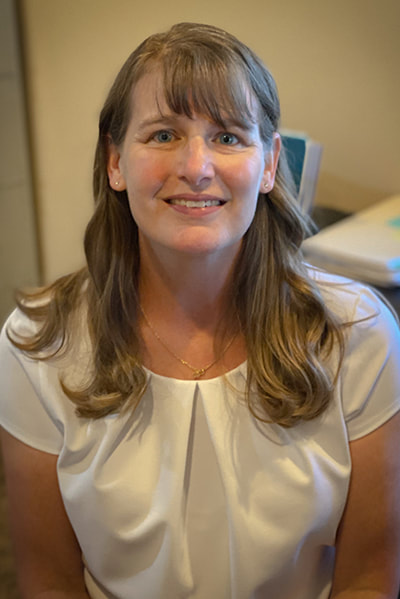
Kelly Sporman |
|
Office Manager/Billing Coordinator
|
Receptionist/Intake Coordinator
|